Eye Drops for Eye Infection

Best Eye Drops for Eye Infections in India
October 25, 2025
Best Eye Drops for Red Eyes
November 21, 2025Eye Drops for Eye Infection
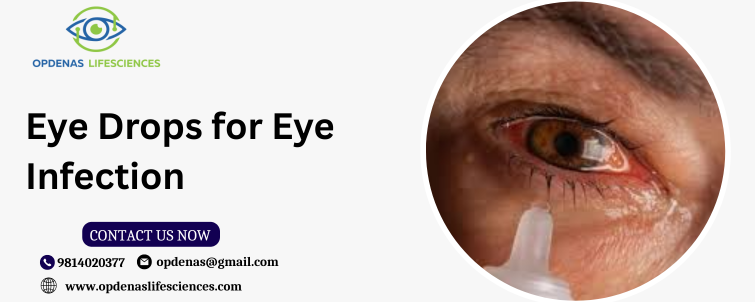
Eye drops for eye infections are among the most commonly prescribed medicines by ophthalmologists to treat bacterial, viral, fungal, and allergic conditions. These infections can cause redness, swelling, irritation, discharge, light sensitivity, and blurred vision, all of which can affect daily routine and vision health. Choosing the best eye drops depends on the root cause of the infection, symptoms, and a proper medical examination.
In this blog, we will cover what eye infections are, causes, symptoms, best eye drops for treatment, how to use eye drops safely, precautions, and FAQs. If you are searching for the best eye drops for eye infection, this detailed guide will help you make an informed decision.
What is an Eye Infection?
An eye infection occurs when bacteria, viruses, fungi, or allergens enter the eye and cause inflammation. Eye infections can affect different parts of the eye including:
- Cornea (Keratitis)
- Conjunctiva (Conjunctivitis / Pink Eye)
- Eyelids (Blepharitis)
- Tear ducts (Dacryocystitis)
Common Symptoms of Eye Infection
If you experience any of the symptoms below, your doctor may recommend eye drops for eye infection depending on the type:
- Redness or bloodshot eyes
- Swelling or inflammation
- Eye discharge / pus formation
- Burning or irritation
- Watering or excessive tearing
- Itching and pain
- Blurred or reduced vision
- Sensitivity to light
Types of Eye Infections
| Type of Infection | Cause | Recommended Eye Drops |
| Bacterial Infection | Bacteria like Staphylococcus, Streptococcus | Antibiotic eye drops |
| Viral Infection | Viruses like Adenovirus, Herpes Simplex | Antiviral eye drops |
| Allergic Infection | Dust, pollen, pollution | Antihistamine & anti-allergic eye drops |
| Fungal Infection | Fungal spores | Antifungal eye drops |
| Dry Eye related infection | Environmental conditions | Lubricating & artificial tears |
Best Eye Drops for Eye Infection (India 2025)
Here are some commonly recommended eye drops for eye infection:
1. Antibiotic Eye Drops
Used for bacterial eye infections
- Moxifloxacin Eye Drops
- Ciprofloxacin Eye Drops
- Tobramycin Eye Drops
- Chloramphenicol Eye Drops
2. Antiviral Eye Drops
Used to treat viral eye infections
- Ganciclovir Eye Gel
- Acyclovir Eye Ointment
3. Antihistamine / Anti-Allergic Eye Drops
Used for itching, redness, allergies
- Olopatadine Eye Drops
- Ketotifen Eye Drops
- Azelastine Eye Drops
4. Antifungal Eye Drops
For fungal keratitis infections
- Natamycin Eye Drops
- Amphotericin-B Eye Drops
5. Lubricating / Artificial Tear Eye Drops
For dryness & irritation
- Carboxymethylcellulose (CMC)
- Sodium Hyaluronate
- Hydroxypropyl Methylcellulose
How to Use Eye Drops Properly
To get the right effect, follow the correct method:
- Wash hands before applying eye drops
- Shake the bottle if required
- Tilt your head slightly backward
- Pull the lower eyelid to form a pocket
- Instill 1–2 drops into the eye
- Do not blink rapidly
- Keep eyes closed for 2 minutes
- Avoid touching the dropper tip
- Store eye drops at room temperature
Precautions When Using Eye Drops
- Do not use expired eye drops
- Do not share eye drops with others
- Avoid contact lenses during infection
- Do not self-medicate without a doctor’s advice
- Stop using if irritation increases
When to Visit an Eye Specialist?
Seek immediate medical help if:
- Pain becomes severe
- Vision becomes blurry
- Pus discharge continues for 2–3 days
- Eye becomes swollen shut
- Sensitivity to light increases
Benefits of Using Eye Drops for Eye Infection
- Quick relief from pain & discomfort
- Reduced redness, swelling, and itching
- Effective treatment of infection source
- Prevents vision complications
- Improves eye hygiene and comfort
FAQs About Eye Drops for Eye Infection
Q1. Can I buy eye drops for eye infection without prescription?
A: Some lubricating and anti-allergic drops are OTC, but antibiotic & antiviral eye drops require a prescription for safe use.
Q2. How many times a day should I use eye drops?
A: Usually 3–4 times daily, but depends on doctor’s instructions.
Q3. Can eye infection spread from one person to another?
A: Yes, especially conjunctivitis (pink eye) is highly contagious.
Q4. How long does it take for eye drops to work?
A: Within 24–72 hours, symptoms start improving.
Q5. Which eye drops are best for itching and redness?
A: Olopatadine, Ketotifen, and lubricating eye drops work well for allergies.
Q6. Can I use eye drops for children?
A: Only use doctor-prescribed pediatric eye drops for children.
Conclusion
Eye drops play an important role in relieving irritation, redness, swelling, and treating bacterial or viral eye infections. The right eye drop depends on the type and severity of the infection, so avoid self-medication—especially with steroids. Always consult an eye specialist for proper diagnosis and treatment. With timely care and good eye hygiene, most infections can be treated safely and effectively.
Contact Opdenas Lifesciences
For more information on the Eye Drops for Eye Infection , feel free to contact us or visit our blog section.
- Address: Palam Enclave, Behind Ranjan Plaza, Zirakpur-140603, Punjab, India
- Phone: +91 98140 20377
- Email: opdenas@gmail.com
- Website: https://opdenaslifesciences.com