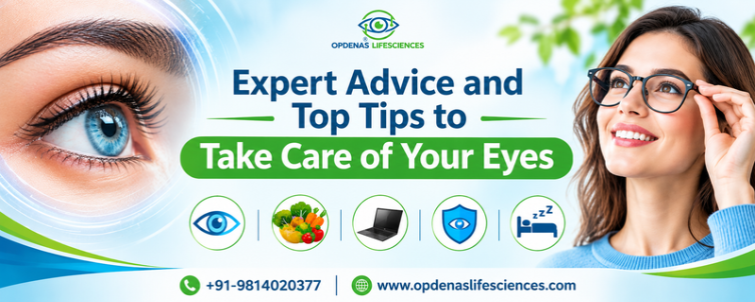
Expert Advice And Top Tips To Take Care Of Your Eyes

Eye Drops PCD Pharma Company
May 24, 2021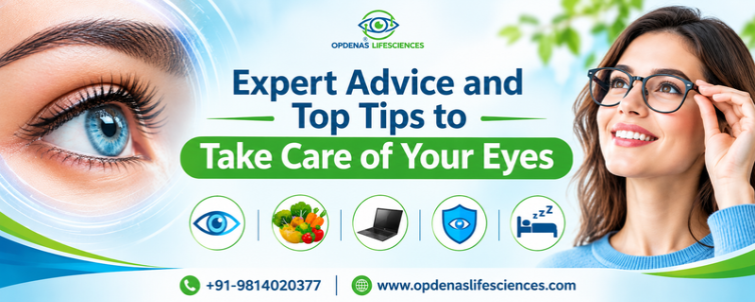
Expert Advice and Top Tips to Take Care of Your Eyes – Opdenas Lifesciemces
Your eyes are your primary window to the world, working tirelessly from the moment you wake up until you go to sleep. Despite how much we rely on our vision for work, learning, and daily navigation, ocular health is often overlooked until discomfort or blurry vision sets in. Practicing consistent eye care is essential not only for preserving sharp eyesight, but also for supporting your overall quality of life and well-being.
At Opdenas Lifesciences , we believe that proactive health education is the foundation of lifelong wellness. As a dedicated healthcare organization committed to advancing ophthalmic awareness and supporting comprehensive eye care, we understand that small, intentional daily habits can make a profound difference in protecting your vision. In this guide, we share medically sound, practical strategies and expert advice to help you safeguard your eyes at every stage of life.
Why Is Daily Eye Care Important?
Just like brushing your teeth or exercising your body, daily eye care serves as preventive maintenance for one of your most delicate sensory organs. Modern lifestyles place unprecedented demands on our visual system. Between prolonged exposure to digital screens, environmental pollutants, artificial lighting, and ultraviolet radiation, our eyes face constant stressors that can accelerate fatigue and age-related wear.
Neglecting routine eye care can lead to chronic dryness, digital eye strain, headaches, and an increased risk of developing preventable vision problems over time. Furthermore, many serious ocular conditions—such as glaucoma or early-stage diabetic retinopathy—progress silently without noticeable pain in their initial phases. By prioritizing preventive eye care every day, you reduce daily discomfort, enhance your visual productivity, and create a strong defense against long-term vision impairment.
Follow a Balanced Diet for Better Eyesight
What you put on your plate directly influences how well you see. A nutrient-rich, balanced diet helps maintain the structural integrity of your eyes, supports healthy blood circulation to the retina, and protects delicate ocular tissues from oxidative stress. Incorporating whole, colorful foods into your daily meals is one of the most natural ways to practice internal eye care.
Focus on building meals around leafy green vegetables, vibrant fruits, whole grains, lean proteins, and healthy fats. Limiting excessive intake of heavily processed foods, refined sugars, and trans fats is equally important, as poor cardiovascular and metabolic health can negatively impact the tiny, fragile blood vessels inside your eyes.
Essential Vitamins and Nutrients for Healthy Eyes
To optimize your nutritional eye care routine, make sure your diet regularly includes these scientifically recognized nutrients:
- Lutein and Zeaxanthin: Found abundantly in dark leafy greens like spinach, kale, and collard greens, as well as egg yolks and corn, these powerful carotenoids accumulate in the macula. They act as natural internal sunglasses, filtering harmful high-energy blue light and protecting retinal cells from oxidative damage.
- Vitamin A and Beta-Carotene: Essential for maintaining a clear cornea and supporting low-light vision, Vitamin A prevents night blindness and severe dry eyes. Carrots, sweet potatoes, pumpkins, and cantaloupe are excellent dietary sources.
- Vitamin C: A potent antioxidant that supports the health of ocular blood vessels and may help lower the risk of developing cataracts. Citrus fruits, bell peppers, strawberries, and broccoli provide generous amounts of Vitamin C.
- Vitamin E: This fat-soluble antioxidant protects eye cells from unstable molecules called free radicals. You can boost your intake through almonds, sunflower seeds, hazelnuts, and avocados.
- Omega-3 Fatty Acids: Crucial for retinal development and tear film stability, omega-3s help alleviate dry eye symptoms. Fatty fish such as salmon, mackerel, and sardines—along with plant-based options like flaxseeds and walnuts—are wonderful additions to an eye care diet.
- Zinc: This vital trace mineral helps transport Vitamin A from the liver to the retina to produce melanin, a protective pigment in the eyes. Legumes, seeds, nuts, dairy, and lean meats are reliable sources of zinc.
Maintain Proper Screen Time and Follow the 20-20-20 Rule
In today’s hyper-connected world, smartphones, tablets , and computers are unavoidable tools for both work and leisure. However, staring at digital displays for hours forces your eye muscles to remain in a constant state of near-focus contraction. Additionally, studies show that people blink nearly 50% less frequently when looking at screens, which causes tears to evaporate rapidly and leaves eyes feeling gritty, red, and fatigued.
To minimize digital eye strain, make ergonomic adjustments to your workspace and adopt structured screen habits as part of your daily eye care regimen:
- Practice the 20-20-20 Rule: Every 20 minutes, shift your gaze away from your screen and look at an object located at least 20 feet away for a minimum of 20 seconds. This simple reset allows your focusing muscles to relax and encourages natural blinking.
- Optimize Screen Positioning: Keep your computer monitor roughly an arm’s length (20 to 24 inches) away from your face, with the top of the screen positioned slightly below eye level so you are looking gently downward.
- Adjust Lighting and Contrast: Reduce harsh overhead glare, match your screen brightness to the ambient light in your room, and increase text size so you never have to squint.
Importance of Regular Eye Examinations
Even if you believe you have crystal-clear vision and experience zero discomfort, scheduling comprehensive check-ups with a qualified optometrist or ophthalmologist is a cornerstone of responsible eye care. A professional eye exam goes far beyond updating your glasses or contact lens prescription; it provides a detailed evaluation of your internal ocular anatomy.
During a dilated eye exam, specialists can detect early warning signs of glaucoma, cataracts, macular degeneration, and retinal disorders long before irreversible vision loss occurs. Moreover, because the eye is the only place in the body where blood vessels can be viewed directly without surgery, routine eye care appointments can also uncover systemic health issues such as high blood pressure, diabetes, and high cholesterol. Adults should generally schedule an eye exam every one to two years, or more frequently if recommended by their healthcare provider.
Maintain Proper Eye Hygiene
Good hygiene plays a critical role in preventing bacterial, viral, and fungal eye infections. Because our hands frequently touch shared surfaces, rubbing or touching your eyes without washing your hands can easily transfer harmful pathogens directly onto the ocular surface.
Incorporating strict cleanliness into your eye care habits is straightforward and highly effective:
- Wash Your Hands Thoroughly: Always wash your hands with soap and water before touching your face, applying eye drops, or handling contact lenses.
- Follow Contact Lens Safety: Never sleep in contact lenses unless specifically approved by your eye doctor, never rinse lenses or cases with tap water, and replace your lens storage case every three months.
- Practice Safe Cosmetics Habits: Remove all eye makeup gently before going to bed to prevent clogged oil glands along your eyelids. Avoid sharing mascara or eyeliner with others, and replace eye makeup products every three to six months to prevent bacterial buildup.
Protect Your Eyes from Harmful UV Rays
Most people remember to apply sunscreen to protect their skin, yet many forget that ultraviolet ( UV ) radiation from the sun can also damage the eyes. Cumulative exposure to UVA and UVB rays increases the risk of developing cataracts, macular degeneration, pterygium (a benign growth on the white of the eye), and even photokeratitis—essentially a painful sunburn on the cornea.
Consistent sun protection is a non-negotiable element of year-round eye care. Whenever you spend time outdoors, even on overcast days when UV rays still penetrate cloud cover, wear high-quality sunglasses labeled as blocking 99% to 100% of both UVA and UVB rays. Wraparound frames offer extra defense by preventing sunlight from entering from the sides, and pairing sunglasses with a wide-brimmed hat can reduce UV exposure even further.
Get Sufficient Sleep and Stay Hydrated
Your eyes rely on restorative rest and adequate fluid balance to function comfortably. During sleep, your eyes undergo continuous lubrication and cellular repair, clearing out microscopic irritants, dust, and metabolic waste accumulated during waking hours. Chronic sleep deprivation often manifests immediately as eye twitching (myokymia), dark circles, redness, and heightened sensitivity to light. Aiming for seven to nine hours of quality sleep each night is an effortless way to strengthen your daily eye care routine.
Equally important is staying well-hydrated throughout the day. Water is the primary component of your tear film. When your body becomes dehydrated, tear production decreases, leaving your eyes vulnerable to dryness, stinging, and irritation. Drinking plenty of water consistently—and using a humidifier in dry indoor environments—helps maintain optimal ocular moisture.
Common Eye Problems and Their Warning Signs
Recognizing the early symptoms of common ocular conditions empowers you to seek timely medical guidance rather than ignoring persistent discomfort. While minor tiredness often resolves with rest, certain signs warrant prompt evaluation by an eye care professional:
- Dry Eye Syndrome: Characterized by a persistent stinging, burning, or scratchy sensation, stringy mucus, sensitivity to light, or paradoxical watery eyes caused by reflex tearing.
- Refractive Errors (Myopia, Hyperopia, Astigmatism, Presbyopia): Often present as squinting to see clearly, difficulty reading fine print, blurred distance vision, or frequent tension headaches after visual tasks.
- Conjunctivitis (Pink Eye): Involves redness in the white of the eye, swelling, itching, tearing, or thick discharge that may crust over the eyelashes overnight.
- Urgent Red-Flag Symptoms: Seek immediate medical attention if you ever experience sudden blurry or double vision, severe eye pain, a sudden shower of new floaters or flashes of light, halos around lights, or a dark curtain-like shadow obstructing your field of vision. Never attempt to self-medicate serious eye symptoms with leftover prescription drops or unverified remedies.
Expert Tips for Maintaining Long-Term Eye Health
At Opdenas Lifesciences, we emphasize that sustainable vision wellness comes from combining healthy lifestyle choices with informed medical guidance. Beyond the foundational habits covered above, consider integrating these expert-backed practices into your long-term eye care strategy:
- Avoid Smoking: Tobacco smoke introduces harmful toxins into the bloodstream that significantly accelerate the risk of cataracts, optic nerve damage, and age-related macular degeneration. Quitting smoking benefits your eyes almost immediately.
- Use Protective Eyewear: Whether you are playing high-impact sports, doing home repairs, gardening, or working with chemicals, wearing certified safety goggles prevents accidental corneal abrasions and traumatic eye injuries.
- Manage Chronic Health Conditions: Keep blood sugar, blood pressure, and cholesterol levels within healthy ranges through regular medical care, exercise, and balanced nutrition to safeguard retinal blood vessels.
- Know Your Family Eye History: Many hereditary eye conditions run in families. Sharing your family’s ocular health history with your eye specialist helps them tailor a personalized preventive eye care plan for you.
- Follow Professional Guidance on Eye Drops: If you experience occasional dryness, ask an eye care specialist or pharmacist to recommend preservative-free lubricating artificial tears rather than overusing redness-relieving drops, which can cause rebound redness.
Frequently Asked Questions (FAQs)
1. How often should I get an eye check-up if I don’t wear glasses?
Even if you have 20/20 vision and no noticeable symptoms, adults should schedule a comprehensive eye care examination every one to two years. Routine exams detect silent conditions like glaucoma and retinal changes early, and adults over age 40 or those with diabetes or high blood pressure may require annual visits.
2. Can eye exercises permanently cure nearsightedness or astigmatism?
While relaxation techniques like the 20-20-20 rule help relieve digital eye fatigue and focusing strain, eye exercises cannot reshape the cornea or alter the physical structure of the eye to cure refractive errors such as myopia, hyperopia, or astigmatism. Always consult an eye specialist for accurate vision correction options.
3. Does staring at digital screens cause permanent damage to the eyes?
Prolonged screen use does not typically cause permanent structural damage, though it frequently triggers digital eye strain (computer vision syndrome), causing dry eyes, blurred vision, and headaches. Following proper screen ergonomics, blinking consciously, and taking regular breaks effectively prevent ongoing discomfort.
4. What is the single best food for improving eyesight?
No single food can prevent or cure vision issues on its own, as comprehensive nutritional eye care relies on a variety of vitamins and antioxidants. However, dark leafy greens such as spinach and kale—rich in lutein and zeaxanthin—paired with omega-3-rich fish and colorful fruits provide optimal support for long-term retinal health.
5. Is it safe to use over-the-counter eye drops every day?
Preservative-free artificial tears are generally safe for daily relief of mild dry eyes. However, you should avoid using medicated or “redness-relief” drops regularly without medical supervision, as they can mask underlying infections or cause rebound redness. Always consult a healthcare professional or eye doctor before starting any medicated eye drops.
Conclusion: Make Eye Care a Lifelong Priority
Your vision is irreplaceable, and protecting it does not require complicated measures—only consistency, awareness, and proactive daily habits. From eating a colorful, antioxidant-rich diet and practicing the 20-20-20 rule to wearing UV-blocking sunglasses, staying hydrated, and scheduling routine eye examinations, every small step strengthens your ocular resilience.
Through ongoing education and a steadfast commitment to healthcare awareness, Opdenas Lifesciences remains dedicated to empowering individuals and families with trustworthy knowledge for healthier eyes and clearer futures. Start implementing these practical eye care tips today, listen to what your eyes are telling you, and give your vision the lifelong care it truly deserves.
